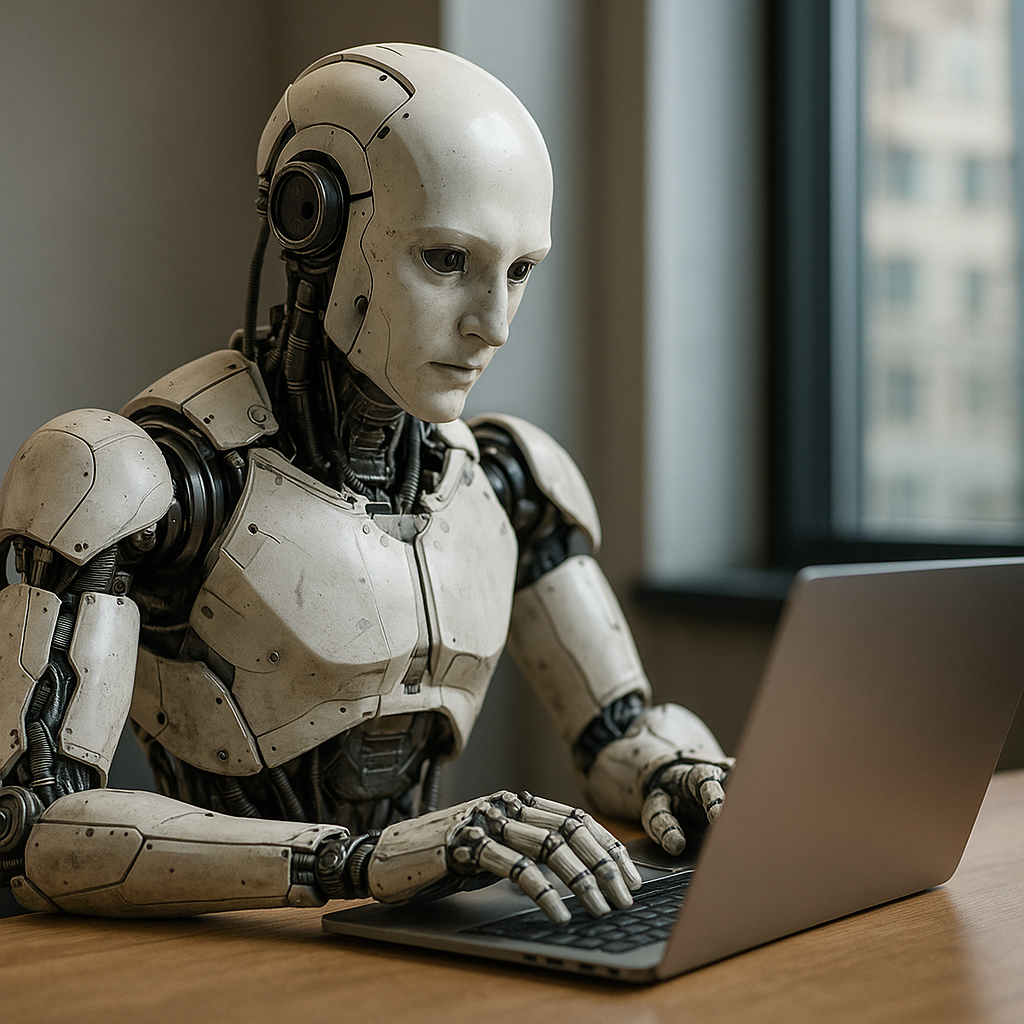
Once upon a time, the biggest problem in journalism was keeping up with the news. Now, it’s convincing readers that the news is true. In an era when AI can write, edit, and publish stories faster than any human, audiences are asking a new question: can we trust what we read? The technology has transformed how information spreads, but rebuilding belief in that information is proving to be the harder task.
The Misinformation Hangover
Long before AI entered the newsroom, readers were already skeptical. Years of sensational headlines, fake news scandals, and social media spin eroded public trust in journalism. Many learned to question everything — sometimes to the point of disbelief.
So when AI writing tools appeared, they didn’t arrive in a vacuum. They entered a landscape already marked by doubt. Readers who had grown wary of human bias now had to contend with machine-made mistakes. Early AI news experiments — from false earthquake alerts to misquoted sources — made headlines for the wrong reasons.
This history explains why, even as AI grows more capable, audiences hesitate to believe what they see. Trust once broken takes time, and human context, to repair.
Faster News, Slower Trust
Today, AI tools like ChatGPT, Jasper, and NewsGPT can generate breaking stories in seconds. Some newsrooms use AI to summarize events, track data, or draft initial reports before editors step in. The speed is unmatched — but so is the uncertainty it creates.
Studies show that about half of readers can’t tell whether a story was written by a human or a machine. Even when they can, they tend to trust human bylines more. That’s not because AI content is always wrong, but because it feels impersonal. Readers connect with judgment, tone, and empathy — qualities that algorithms still struggle to express.
The irony is clear: AI can deliver news faster than ever, but people won’t believe it unless it feels human.
Coding Credibility Back In
The next frontier of journalism may not just be about generating news, but verifying it. Developers are now training AI systems to cite sources, cross-check facts, and even flag their own uncertainties. Startups like AdVerif.ai and Full Fact are exploring automated verification models that could make AI reporting more transparent than human reporting ever was.
Some tools already display visible “trust layers,” showing where information came from and how it was validated. Others are learning to adapt to reader skepticism — adjusting tone, adding context, or including human review when a claim might spark doubt.
If these systems evolve as expected, the future newsroom could look less like a newsroom and more like a partnership between editors and algorithms, each holding the other accountable.
The Human Touch Still Matters
For small publishers, this shift brings both opportunity and caution. AI can help independent outlets cover more stories, faster, with fewer resources. But speed without oversight is risky. The most successful use cases so far blend automation with human review — using AI for efficiency and humans for credibility.
An AI can track a breaking event, summarize updates, and prepare a draft within minutes. Then, a journalist can fact-check, refine, and add context before publication. This combination keeps costs low and standards high.
It’s not about replacing journalists; it’s about freeing them to do what AI can’t — interpret, question, and connect.
Rebuilding Belief, One Story at a Time
AI didn’t create the trust crisis in media — but it might help solve it. As these tools learn to be transparent, traceable, and truthful, they could help journalism regain what clickbait and chaos once took away.
In the end, credibility won’t come from speed or scale alone. It will come from showing readers how the news is made — whether by human hands, digital code, or both.
Sources:
- Reuters Institute: “Digital News Report 2025”
- Columbia Journalism Review: “AI’s Trust Problem in the Newsroom” (2025)
- Nieman Lab: “The Race to Verify AI-Generated Journalism” (2024)
- AdVerif.ai: “Building Trust Layers for AI News” (2025)