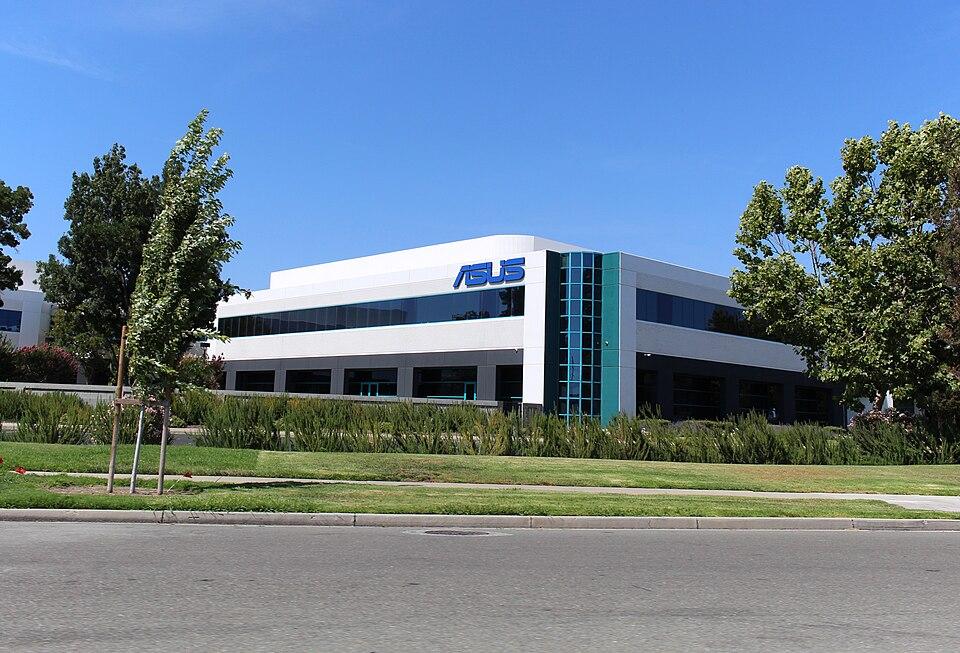
For years, smartphones promised excitement but delivered tiny changes. A better camera here. A faster chip there. Most phones looked the same and felt the same, leaving buyers bored and brands stuck in a crowded race to nowhere. Now, one well-known name is making a bold move. Asus is stepping back from phones and turning its attention to something bigger: intelligent machines that actually help people and businesses get real work done.
This shift matters because it signals where real value is going. Instead of fighting for space in our pockets, tech companies are chasing tools that work beside us, automate tasks, and make decisions faster than humans ever could.
Why Smartphones Became a Dead End
Not long ago, phones felt magical. Each year brought a clear leap forward. Bigger screens, better apps, and faster connections changed daily life. Over time, those big jumps slowed. Phones became good enough, and improvements became harder to notice. Prices rose while excitement fell.
For brands like Asus, this created a problem. Competing meant spending huge amounts of money just to stand out by a sliver. Even loyal customers had little reason to upgrade. The phone market stopped rewarding bold ideas and started punishing risk. Walking away from that fight is less about giving up and more about choosing a smarter battlefield.
Turning Toward Machines That Think
Instead of phones, Asus is now focusing on AI-powered robots, smart glasses, and high-performance servers. These are not flashy toys. They are tools built to solve problems.
AI robots can help in factories, warehouses, hospitals, and offices. They don’t get tired, and they can learn patterns quickly. Smart glasses can put useful information right in front of a worker’s eyes, keeping hands free and focus sharp. Servers, often hidden in data centers, are the backbone of modern AI. Without powerful servers, none of this intelligence works.
This is a move away from entertainment and toward productivity. It reflects a growing belief that the next wave of technology will be less about scrolling and more about doing.
What Businesses Have Been Missing
For many years, small and mid-sized businesses watched advanced tech from the sidelines. AI felt expensive, complex, and out of reach. Robots seemed reserved for giant factories. That gap created frustration. Owners knew there had to be better tools, but they couldn’t access them.
Asus’s shift helps close that gap. By focusing on practical machines instead of consumer gadgets, the company is aligning with what businesses actually want right now: speed, accuracy, and reliability. These systems don’t just look impressive. They save time, reduce errors, and help teams do more with less.
Why This Move Fits Today’s Values
Right now, businesses value efficiency over novelty. They want technology that pays for itself and improves daily operations. AI servers help process data faster. Robots handle repetitive work. Smart glasses reduce mistakes and training time.
This focus also matches a wider trend. Companies are tired of tools that distract. They want tools that support. Asus is betting that the future belongs to technology that quietly works in the background while people focus on decisions and creativity.
A Glimpse of the Future
Looking ahead, this shift hints at a future where technology feels more like a coworker than a device. Intelligent machines may handle logistics, monitor systems, and offer real-time guidance. Screens will matter less than outcomes.
If this vision holds, companies like Asus won’t be judged by how sleek their gadgets look, but by how well their machines perform. Success will come from building systems that work alongside humans, not compete for their attention.
Leaving phones behind may seem risky, but it could also be the smartest move Asus has made in years. The race is no longer about who fits best in your pocket. It’s about who helps you work smarter, faster, and with more confidence.
Sources
- Asus official announcements and product strategy updates
- Industry reporting from Nikkei Asia and The Verge on AI hardware and robotics trends
- Market analysis from IDC and Gartner on smartphone saturation and enterprise AI growth