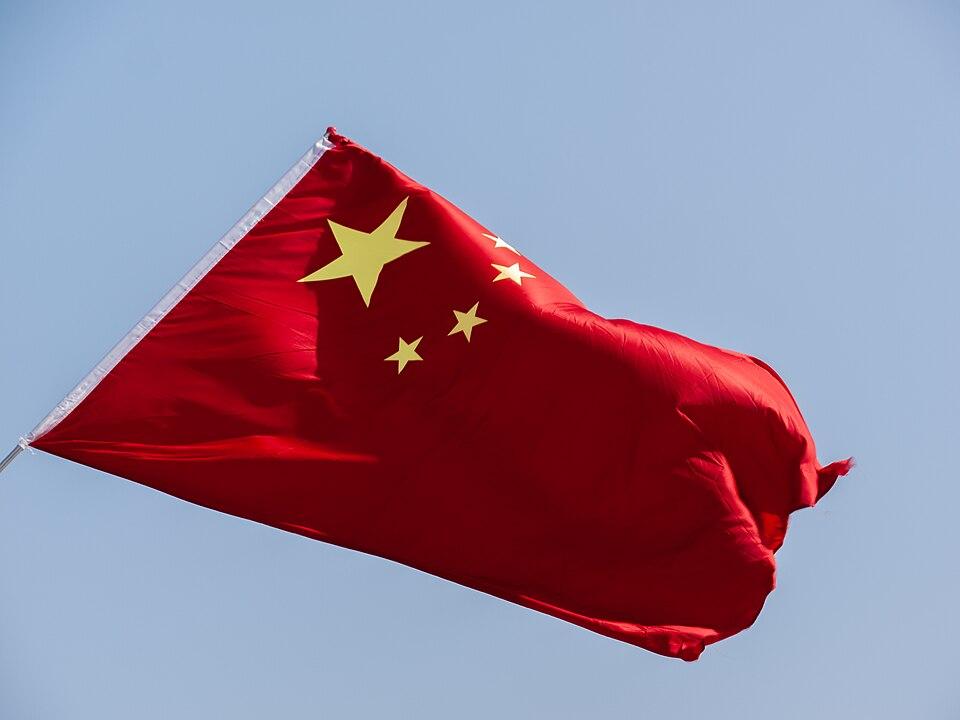
For decades, China was known as the world’s factory — powered by low-cost labor and massive production capacity. But that model is shifting fast. As wages rise and competition tightens, China isn’t just making products anymore; it’s making the machines that make them. In 2025, China’s robot production surged nearly 30% year over year, marking a turning point for global manufacturing. The country that once led in manpower now leads in machine power — and the rest of the world is paying attention.
The End of Cheap Labor
The old playbook of global manufacturing was simple: find cheaper workers, move production there, and scale up. For years, that strategy centered on China, where millions of workers fueled a boom in everything from electronics to textiles. But over time, rising wages, worker shortages, and changing demographics began to erode that advantage.
Factories that once depended on sheer labor force are now struggling to keep pace. Even major manufacturers are finding it harder to rely solely on people to meet demand. The solution? Replace repetitive labor with robots — fast.
That’s why China’s pivot toward automation isn’t just about technology; it’s about survival. The country’s leadership sees robotics as the next phase of industrial power — one that can offset labor challenges while pushing productivity to new highs.
The Rise of the Robotic Workforce
According to China’s Ministry of Industry and Information Technology, industrial robot production jumped almost 30% in 2025 compared to last year. That’s not just a statistic — it’s a seismic shift. These aren’t simple assembly arms anymore. China’s newest robots are smarter, faster, and more adaptable, equipped with AI-driven sensors and real-time learning systems.
In major hubs like Shenzhen and Shanghai, robots are now assembling smartphones, welding cars, and even inspecting their own work with machine vision. This rapid integration means factories can run longer hours, with fewer errors and higher consistency.
While automation has long been strong in countries like Japan and South Korea, China’s scale is what makes this surge so significant. With its vast supply chains and government support, it’s quickly becoming the global center for affordable, intelligent robotics.
The New Manufacturing Race
For global firms, China’s robot rise is both a warning and an opportunity. The warning: if your production lines rely on outdated processes, your costs and quality may soon lag behind automated competitors. The opportunity: this new wave of robotics isn’t just for industrial giants anymore.
As Chinese manufacturers produce more robots, prices are dropping worldwide. Mid-sized factories in Europe and North America can now access automation technology that was once out of reach. AI-driven maintenance systems, collaborative robots (“cobots”), and automated quality checks are becoming standard, not luxury.
The global race is no longer about cheap labor — it’s about smart labor. The factories that invest in intelligent automation today will shape tomorrow’s supply chains.
How Smaller Firms Can Keep Up
For small and mid-sized businesses, the message is clear: automation is no longer optional. But it doesn’t have to be overwhelming. Affordable robotics platforms like Universal Robots, Rapid Robotics, and Flexiv now offer easy-to-install machines designed for flexible production lines.
AI-powered software can optimize workflows, predict maintenance needs, and even improve energy efficiency. Combining these tools with human oversight helps smaller teams produce more with less — keeping them competitive even against larger, robot-heavy rivals.
Government incentives in several countries are also starting to mirror China’s push, offering grants and tax breaks for digital transformation. For small firms, that means the best time to modernize is now — before the gap widens.
A Future Built by Machines and People
China’s robot surge isn’t just about machines taking over — it’s about redefining what manufacturing means. The new industrial revolution will blend human skill with machine precision, allowing businesses of all sizes to innovate faster and waste less.
As China races ahead, the rest of the world faces a clear choice: evolve or get left behind. The next global leaders in manufacturing won’t be those with the cheapest hands, but those with the smartest systems.
Sources:
- China Ministry of Industry and Information Technology: “2025 Industrial Robotics Report”
- Reuters: “China’s Robot Production Surges Nearly 30% in 2025”
- South China Morning Post: “Automation Becomes the New Growth Engine for China’s Factories” (2025)
- The Economist: “The Global Race for Robotic Manufacturing Power” (2025)