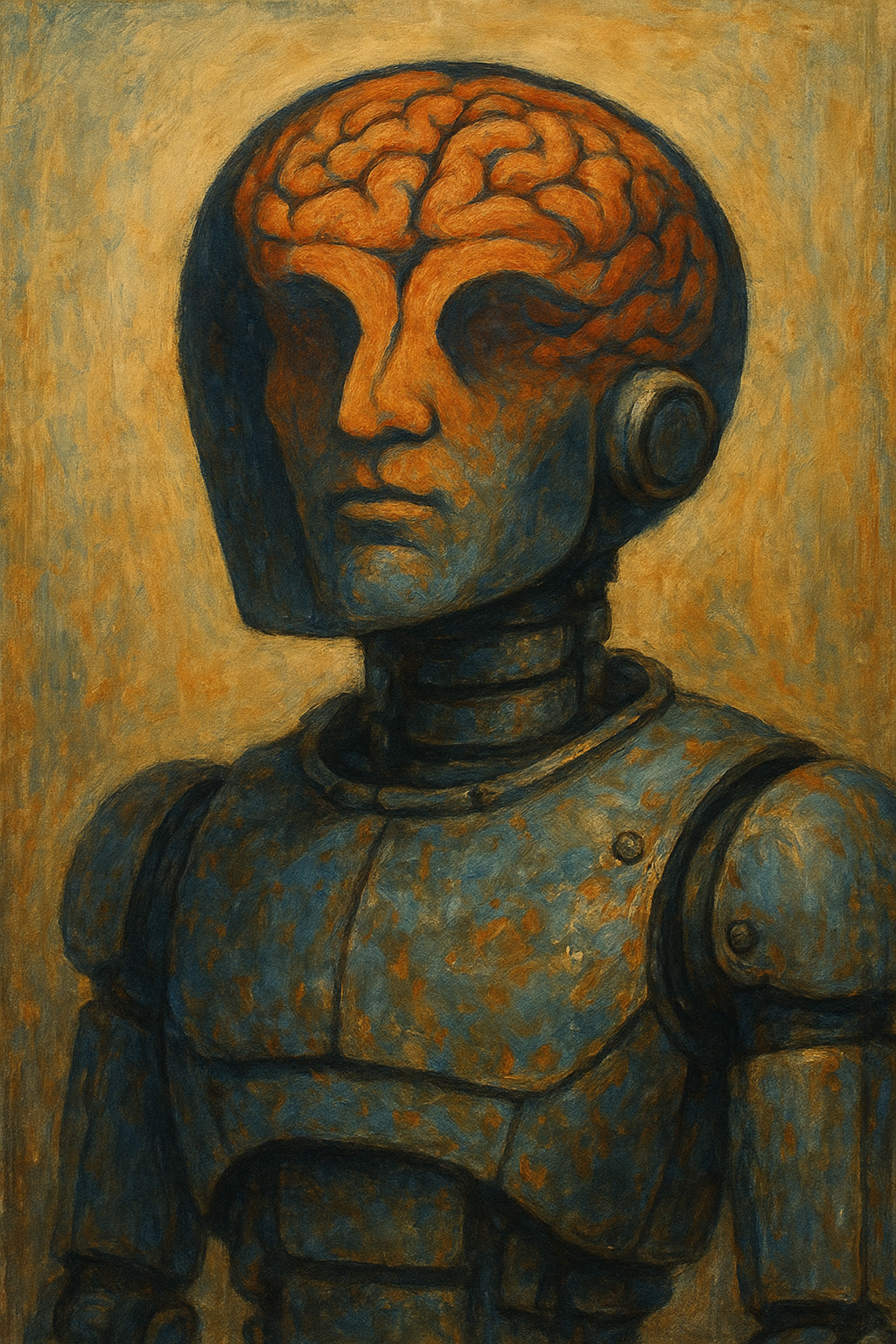
For years, the world of robotics felt like a future that never arrived. Impressive demos popped up online—robots dancing, running, or balancing—but they usually stayed locked inside research labs. Small and mid-sized businesses were left wondering whether real, helpful robots would ever show up in warehouses, shops, kitchens, or job sites. DeepMind’s new push into advanced robot “brains,” combined with the arrival of top talent from Boston Dynamics, marks a turning point. It hints at a future where robotics finally moves from spectacle to service—where machines learn real tasks and help real teams in their everyday work.
In the past, robotics breakthroughs came in bursts of excitement but rarely led to tools a small business could actually use. Systems were too fragile, too expensive, or too narrowly trained. Robots could walk up stairs but couldn’t understand what a spilled box meant. They could run obstacle courses but couldn’t help with simple, practical jobs. This left a long-standing void: the idea of a helpful robot was easy to imagine but impossible to buy. DeepMind’s latest work steps toward closing that gap by focusing less on flashy moves and more on cognitive ability—the part that lets a robot understand what’s happening around it and decide what to do next.
DeepMind bringing in engineers with Boston Dynamics experience adds a new layer to this shift. Boston Dynamics knows hardware—strong, stable, durable, and ready for physical work. DeepMind knows learning—how to train models to think, plan, and adapt. Joining these strengths signals a major change in direction: robotics is no longer just about getting machines to move like humans. It’s about helping them behave usefully in human spaces. The goal is not just balance or agility, but understanding. This is exactly what small teams have been waiting for—a sign that the industry is aiming at practical, day-to-day tasks rather than academic challenges.
This blend of smarter decision-making and tougher hardware suggests that usable tools may arrive sooner than many expect. The robots being trained today aren’t just memorizing steps; they’re learning how to reason through real situations. They can spot objects, understand environments, and plan actions with more flexibility than past systems. That makes them far more capable of handling imperfect settings—the kind small businesses live in every day. Floors get cluttered. Boxes shift. People move quickly. Lights change. Robots built with both cognitive depth and physical stability stand a better chance of working through all that without constant supervision.
And that opens the door to a new future vision for business owners. Instead of thinking of AI as something that lives inside screens—chatbots, apps, dashboards—they can begin imagining AI in physical form. Humanoid robots trained on real-world tasks could help with stocking shelves, carrying loads, cleaning workspaces, prepping materials, or assisting with repetitive jobs that wear down staff. The idea is no longer science fiction. As these systems improve, small teams can picture robots stepping into roles that mix simple judgment with simple movement—the types of tasks that once required a person but not necessarily a specialist.
This moment offers something valuable: hope paired with practicality. The void of the past—robots stuck in labs—is finally shrinking. The virtues of the present—better training, smarter planning, stronger bodies—are becoming real. And the vision of the future—robots as everyday helpers—is starting to feel reachable. For business owners, that means planning can shift from “maybe, someday” to “possibly soon.” Teams can start imagining how robotics might fit into their space, support their staff, and open new opportunities.
DeepMind’s new robot “brains” highlight a simple, powerful truth: when intelligence meets reliable hardware, robots stop being a dream and start being tools. And for SMBs, those tools could bring a future where physical help is just as accessible as digital help is today.
Sources:
DeepMind robotics research updates
Google DeepMind announcements on embodied AI
Industry analyses on Boston Dynamics talent integration and next-generation robotics advancements