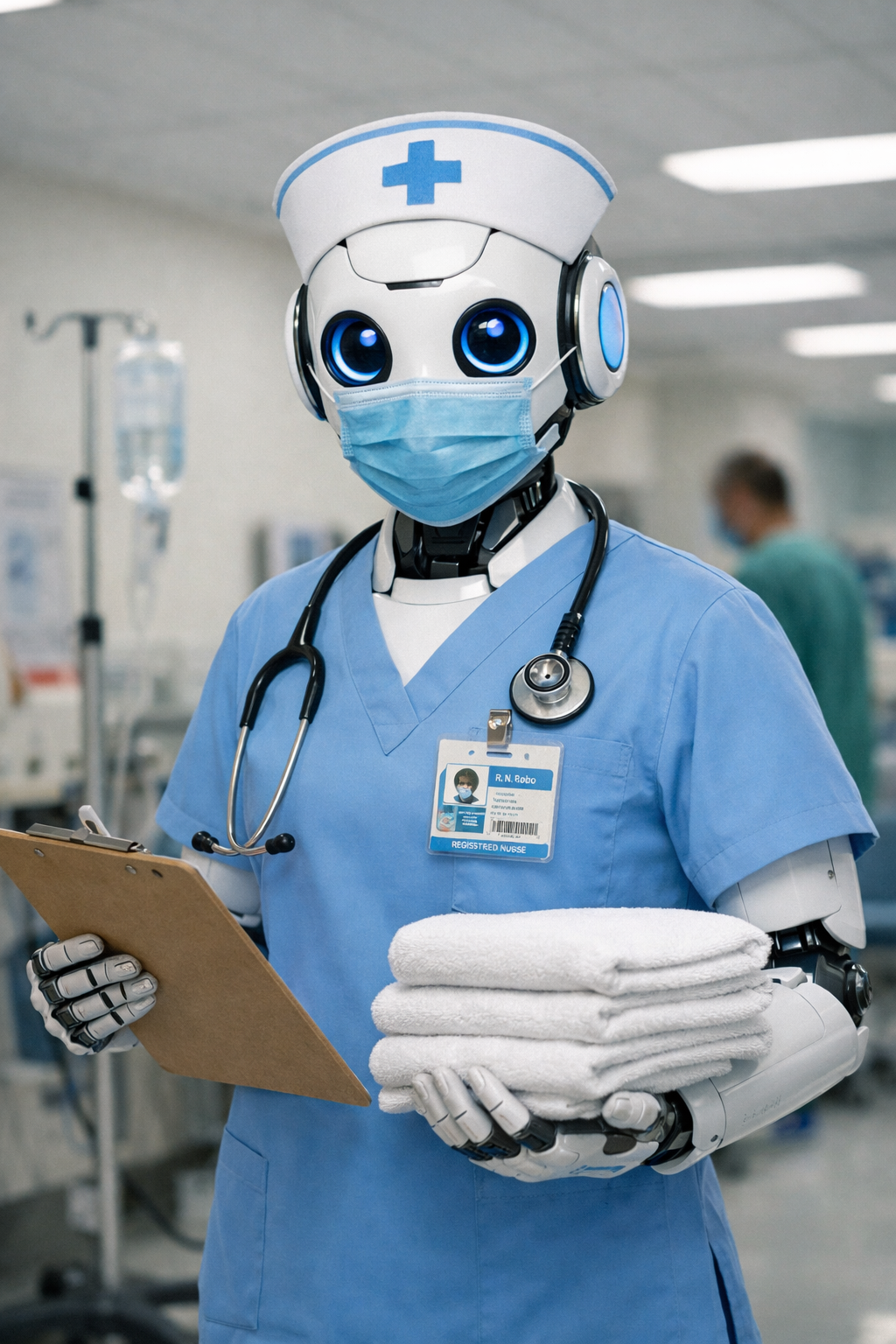
For years, delivery robots were sold as a glimpse of the future. For years, delivery robots were sold as a glimpse of the future. Small machines rolling down sidewalks, dropping off food, groceries, and packages without human help. It sounded simple. In reality, the sidewalk turned out to be a tough place for robots to grow up. Cracked pavement, weather, traffic laws, and public safety concerns slowed progress. Now, the delivery robot industry is quietly changing direction. Instead of streets and sidewalks, robots are heading indoors—and healthcare is becoming their most promising new home.
Early delivery robots filled a gap people felt deeply. Everyone wanted faster, cheaper, and more convenient delivery. Labor shortages and rising costs made automation feel necessary. But outdoor delivery exposed limits. Robots struggled with long routes, unpredictable environments, and city regulations. Scaling beyond pilot programs proved harder than expected. Many companies learned that being technically impressive wasn’t enough if the business model couldn’t survive real-world chaos.
That struggle is pushing a reset. A major signal came when Serve Robotics acquired Diligent Robotics. Serve Robotics built its reputation on last-mile delivery. Diligent Robotics focused on hospitals. The deal wasn’t just about growth—it was about direction. Healthcare offers something sidewalk delivery never fully did: a controlled environment with constant, high-value demand.
Hospitals have a very different problem than cities. They aren’t worried about robots crossing streets. They’re worried about staff burnout. Nurses and healthcare workers spend a huge part of their day on routine tasks—fetching supplies, moving medications, delivering linens, or carrying lab samples. These jobs matter, but they pull skilled staff away from patients. For years, hospitals wanted relief but couldn’t find enough people to hire. That staffing gap created an opening robots can realistically fill.
Inside hospitals, robots don’t need to be flashy. They need to be reliable. Healthcare delivery robots can move through hallways, use elevators, and follow predictable routes. They don’t face rainstorms or traffic. This stability allows robots to do one thing well, over and over again. When a robot handles supply runs all day, nurses gain time for patient care, communication, and decision-making. The value isn’t novelty—it’s consistency.
What makes this shift powerful is how it aligns with what people value now. Healthcare systems want efficiency, but not at the cost of humanity. Robots aren’t replacing nurses. They’re removing the most exhausting parts of the job. That makes adoption easier. Staff are more willing to work alongside machines that clearly help them rather than compete with them. Over time, that trust builds momentum.
This moment also closes an old gap. In the past, hospitals dreamed of automation but lacked practical tools. Systems were expensive, fragile, or hard to integrate. Today’s robots are simpler, more durable, and designed around real workflows. They connect to hospital systems, respond to staff requests, and quietly disappear into the background. That invisibility is a feature, not a flaw.
Looking ahead, the future of robotics may be far less visible than people expected. Instead of crowds watching robots on sidewalks, the real breakthroughs may happen behind hospital doors. As robots prove themselves indoors, other industries may follow. Hotels, factories, and large offices share similar traits: structured spaces, repeatable tasks, and labor pressure. Healthcare is simply the first place where the need is urgent enough to move fast.
If delivery robots once promised convenience, healthcare robots promise sustainability. They help systems keep running when people are stretched thin. They support workers instead of replacing them. And they suggest a future where automation doesn’t shout for attention—it just quietly makes work better.
Sources
- MIT Technology Review
- The Wall Street Journal
- Healthcare IT News
- TechCrunch