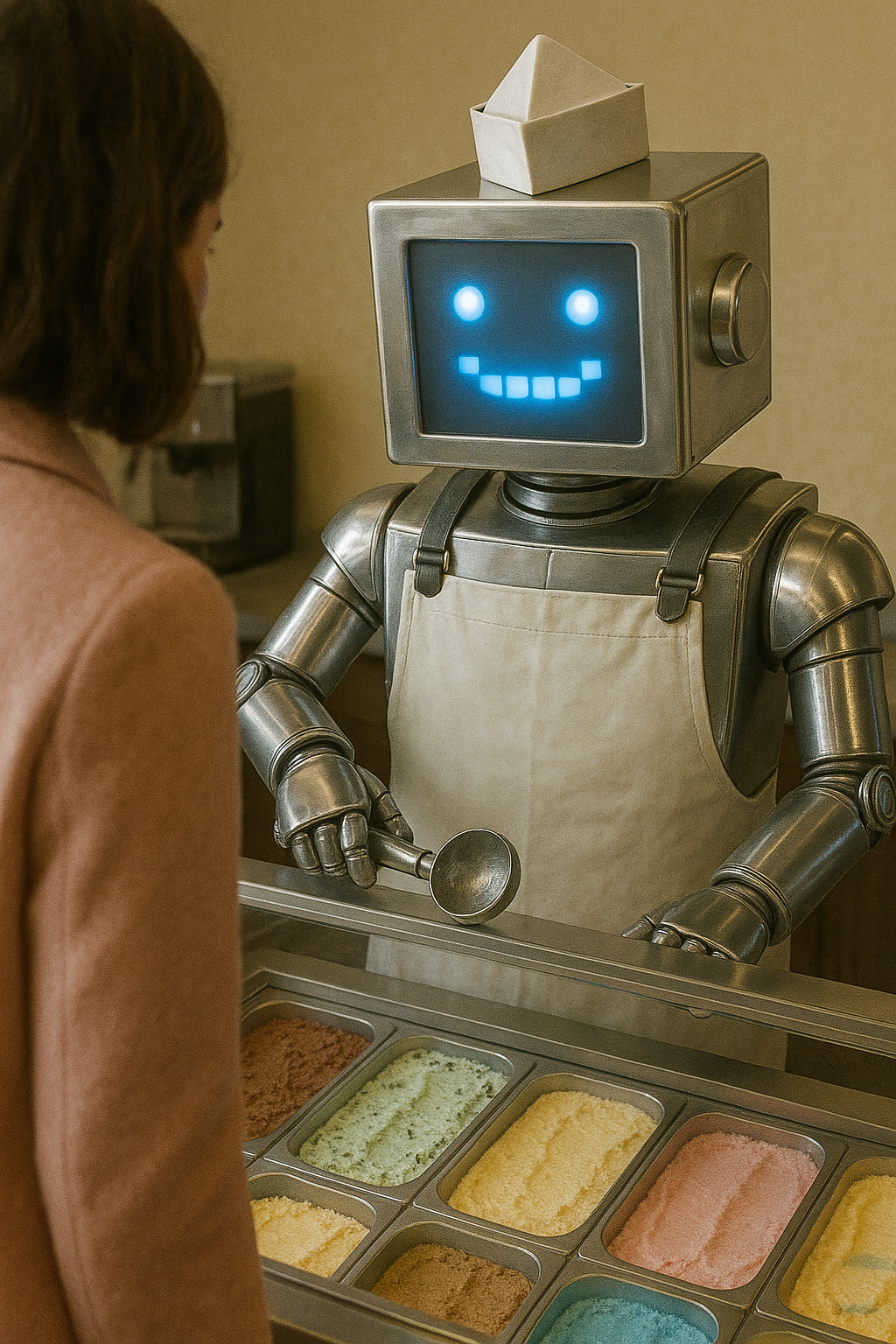
For a long time, automation felt out of reach for small and mid-sized businesses. Robots were impressive to watch but impossible to justify. They were too expensive, too complex, and too fragile for everyday use. Today, that picture is changing fast. As robot prices fall and reliability rises—driven by players from Tesla to a growing list of industry leaders—automation is shifting from a dream into a practical tool. And for SMBs, this shift comes at the perfect time, when efficiency and stability matter more than ever.
In the past, robots lived mostly in giant factories with giant budgets. Smaller teams looked at them the way people look at private jets: nice to imagine, but not something they’d ever buy. Even basic robotic arms cost too much, required too much training, or demanded constant maintenance. This created a lingering void. Business owners knew robots could save time and reduce strain on workers, but the barriers made adoption unrealistic. That gap—the difference between wanting automation and accessing it—defined the robotics world for decades.
Today’s surge in the robotics industry is collapsing those barriers. Companies like Tesla have poured resources into building lower-cost humanoid systems, while other manufacturers are rolling out simpler, more affordable robots designed for everyday tasks. The focus has shifted from rare, specialized machines to practical tools that work reliably in real environments. Instead of needing custom engineering, many new robots are built to operate right out of the box. Instead of requiring large teams, they’re designed for small teams. This gives owners something they value right now: confidence. Confidence that automation can fit their budget. Confidence that it won’t break their workflow. Confidence that it’s becoming stable enough to trust.
As these robots gain better sensing, smoother movement, and stronger decision-making, everyday operations become easier to streamline. A warehouse robot can sort boxes without constant oversight. A simple arm can assist with packing, welding, or assembly. A mobile unit can move goods across a shop floor without bumping into obstacles. These tools reduce repetitive strain on workers and shrink the errors that come from rushed or tiring tasks. For many teams, this boosts not just output but morale. Staff can focus on skilled work instead of routine tasks that drain time and energy.
This rising reliability also helps remove the fear that automation will disrupt operations. Older systems often broke down at the worst times or struggled with changes in layout or lighting. Newer robots handle uncertainty better. They adapt more easily. They recover from mistakes more smoothly. The result is a smoother path to automation—one where owners feel like they’re gaining control, not losing it.
With adoption speeding up, business owners can finally plan for a future where robots tackle the routine while people handle the work that truly matters. Instead of asking “Can we afford this?” teams can begin asking “Where can this help us most?” That change in mindset is powerful. It shifts automation from a luxury to a strategy. It allows small teams to imagine new levels of output, new services, and new resilience without needing to grow headcount at the same pace.
The falling cost of robotics delivers something SMBs have been waiting for: stability they can count on today. The void of the past—high prices and high complexity—is fading. The virtue of the present—practical, budget-friendly tools—is becoming real. And the vision of the future—balanced teams where humans and robots work side by side—finally feels within reach.
Sources:
Industry analyses on falling robot costs
Tesla and sector-wide robotics announcements
Market reports on SMB adoption of automation and robotics trends