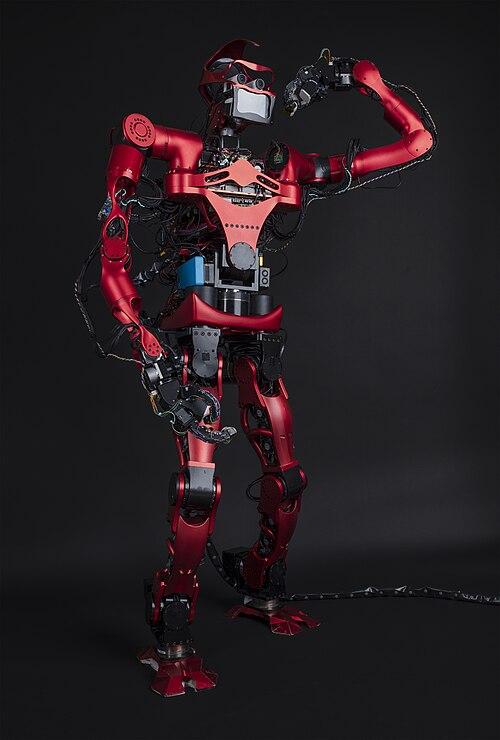
Not long ago, humanoid robots felt like a sci-fi fantasy, always promised but never delivered. They showed up in glossy demos, walked slowly on stages, and then disappeared back into “five years from now.” What’s changed is timing. In 2026, humanoid robots stopped being a concept and started becoming a workforce. New research estimates roughly 16,000 humanoid robots deployed this year alone, with China accounting for about 13,000 of them. That sudden jump matters because it signals a shift from experiments to everyday use.
For years, businesses wanted robots that could move like people. Traditional industrial robots were powerful but limited. They lived in cages, did one task, and couldn’t adapt. Many companies imagined machines that could walk, lift, and use human tools, but the technology wasn’t ready. Sensors were expensive, software was fragile, and the robots themselves were slow and unreliable. The gap between what businesses wanted and what robotics could deliver felt permanent.
That gap is now closing quickly. Advances in AI vision, balance systems, and cheaper hardware have pushed humanoid robots out of research labs and into real environments. These machines don’t need perfectly redesigned factories. They can work in spaces built for humans, using the same doors, carts, and tools. That flexibility is the breakthrough businesses were waiting for, even if many didn’t realize it was arriving this fast.
Today’s value is less about flashy robots and more about practical relief. Warehouses, factories, and logistics hubs are under pressure from labor shortages and rising costs. Humanoid robots can fill repetitive roles, move materials, and handle simple service tasks without needing constant retraining. In China especially, manufacturers are deploying robots at scale to stabilize production and reduce dependence on unpredictable labor markets.
This shift also changes how companies think about automation. Instead of redesigning entire workflows around machines, businesses can add robots as helpers. A humanoid robot might load pallets overnight, assist during peak hours, or take on physically demanding jobs that humans avoid. That makes automation feel incremental rather than overwhelming, which lowers the barrier to adoption.
Another important change is speed. Once robots move from pilot projects to mass deployment, learning accelerates. Each unit generates data, improving performance and reliability across the fleet. That’s why the numbers matter. Deploying thousands of robots isn’t just about scale; it’s about momentum. The more they work, the faster they get better, and the harder it becomes for late adopters to catch up.
Looking ahead, the future vision is a blended workforce. Humans focus on judgment, creativity, and problem-solving, while robots handle physical consistency. Companies that planned slowly may soon find themselves scrambling as competitors operate longer hours, scale faster, and absorb demand without burning out staff. This won’t happen overnight, but the direction is clear.
The arrival of humanoid robots doesn’t mean every business needs one tomorrow. It does mean assumptions need updating. Robots are no longer stuck in demos or “someday” roadmaps. They are showing up in real buildings, doing real work, and changing cost structures in real time. For leaders, the question is no longer if humanoid robots will matter, but when their absence becomes a disadvantage.
Sources
- Industry deployment estimates from global robotics market research firms
- Manufacturing automation reports from Chinese industrial associations
- Robotics and AI workforce analysis from international technology consultancies