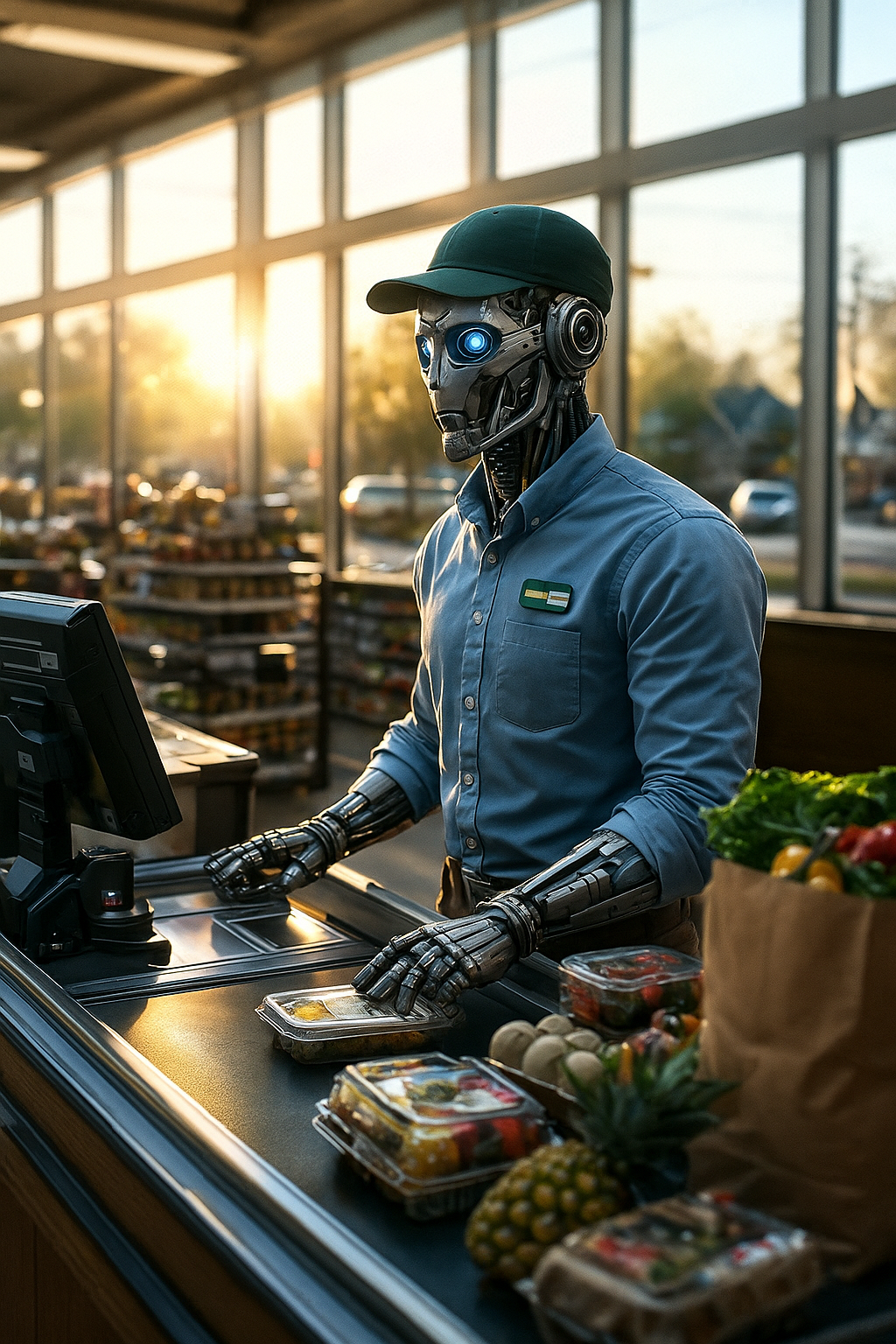
Retail has always been a tough business. Retail has always been a tough business. Margins are thin, workloads pile up fast, and simple mistakes—like missing items or slow shelf checks—quietly drain profits. For years, teams tried to solve these problems with more staff, more overtime, or more manual routines. But now a new shift is underway. AI-powered robots are slipping into everyday store operations, and they’re giving businesses the speed, accuracy, and consistency they’ve wanted all along.
1. When slow counts and missing items ate into profits
For a long time, retailers lived with gaps they couldn’t quite fix. Inventory counts were slow. Shelves ran out of products without anyone noticing. Back rooms got messy. And with labor shortages and high turnover, these small problems became ongoing drains. Stores knew what they needed—faster checks, better accuracy, fewer errors—but manual work could only stretch so far. That old void is exactly where today’s robots now fit.
2. Robots step into daily workflows, quietly tightening operations
Today’s AI robots aren’t futuristic sidekicks—they’re practical helpers built for real store jobs. Inventory bots roll through aisles checking stock levels and spotting price errors in minutes, not hours. Delivery robots move goods from the back room to the floor without pulling staff away from customers. In-store assistants guide shoppers, answer questions, and reduce the time employees spend tracking down information. These aren’t flashy upgrades; they’re quiet productivity engines cutting waste and speeding up the work your team does every day.
3. Faster service today without constant hiring
As staffing challenges continue, robots offer something stores need right now: stability. They don’t replace great employees—they remove the repetitive tasks that slow them down. With bots handling counts, alerts, and small deliveries, teams can stay focused on service, sales, and customer experience. The result is smoother days, fewer mistakes, and more time spent where it matters. And because these tools run on AI and efficient hardware, they’re far easier to integrate than many retailers expected.
4. Preparing now sets up smarter operations tomorrow
Automation is spreading fast—not just in big warehouses, but in everyday storefronts. Stores that prepare early will gain a major advantage. They’ll run more efficiently, catch problems sooner, cut unnecessary costs, and serve customers with less friction. As robots grow more capable, early adopters will already have the workflows, training, and mindset to benefit from the next wave of tools. While competitors overspend on extra labor or lose time to manual tasks, future-ready businesses will operate with speed and precision built in.
Final takeaway
AI robots are no longer experimental—they’re becoming essential. They tighten margins, smooth out daily operations, and free up teams to deliver the kind of customer experience that keeps shoppers coming back. And as automation continues to spread, the retailers who lean in now will be the ones who run smarter, faster, and more efficiently in the years ahead.
Sources
(No external sources were provided in the original text.)